What Is the Difference Between a Mouse and a Baby Rat
Spring makes its ain statement loud and articulate; the torrential downpours are soon to be here! With rain on the horizon and "social distancing" in full-force, everyone will exist spending more than time indoors… fifty-fifty pests! The final matter yous want to deal with when you lot're already stuck inside your home is an unwanted rodent.
There are three main species of rodent that are prevalent in homes, all of which thrive because of their ability to suit to human being environments. These are the business firm mouse, the Norway rat (also known as the common rat and the brown rat), and the roof rat (also known as the blackness rat or the transport rat). At first glance there are some commonalities between all rodent species. They all have a pair of incisor teeth in their upper jaw, curt legs, long tails, and they all tin cause significant damage to both your home and your health. If you look closer, however, you can encounter several distinguishing features in mice vs rats to help identify which pest y'all accept.
Appearance
House Mouse:
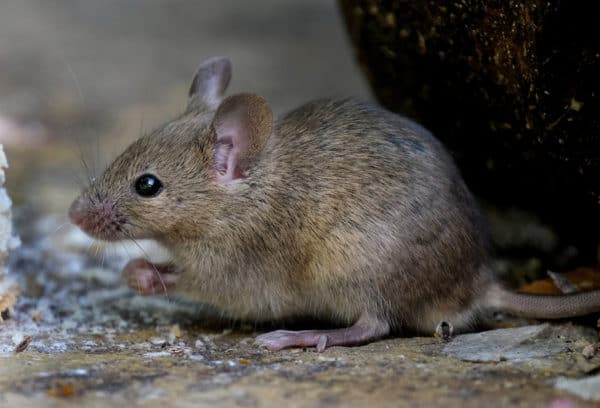
The firm mouse is small in size, only about 4 to 6 inches long. In fact, they are ofttimes confused with young rats. They are commonly low-cal grey, chocolate-brown, or white in color with lighter shading on their bellies. Mice take big floppy ears and smaller feet and heads than rats. They have triangular snouts with long whiskers. Their tail is proportionally longer than their head and trunk length.
Norway Rat:

Kingdom of norway rats are the biggest of the three species at virtually 10 inches long. They take thicker bodies with fur that is usually brown with black shading and shaggy in advent. They have a paler colour underneath their tails. Their tail is shorter than the length of their body and head and is ordinarily hairless and scaly. They have small-scale hairy ears and blunt noses.
Roof Rat:
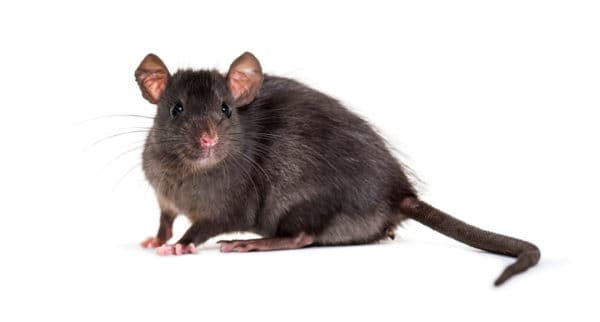
The roof rat is usually well-nigh eight inches long with slender bodies. They have gray fur with black shading and smoothen coats. They have dark tails that are usually hairless and scaly. Their tail is longer than their head and body, similar to a mouse. They have large, thin, hairless ears and pointed noses.
Nutrition
House Mouse:
The firm mouse prefers cereal but will eat almost annihilation. They kibble their grain when eating it, meaning they remove the outer husk and eat the grain that is within. They tend to seek out food in the same places which makes baiting them easier. They don't need to drink h2o but will consume near 3 mL if it is available.
Norway Rat:
Norway rats also prefer cereals but will consume what is available. They cutting their grains when eating, giving them the appearance of being chopped. These rats also tend to seek food in the aforementioned places making them easier to allurement, as well. They drinkable about 60 mL of water a day.
Roof Rat:
Roof rats prefer virtually fruit only will swallow other foods, as well. They also cutting their grain when eating it, making information technology wait like it has been chopped. They don't usually swallow in the aforementioned location on sequent nights making them much harder to trap. They beverage nigh 30 mL of water per solar day.
Habitat
House Mouse:
House mice usually alive on the ground and nest in burrows. They are quite active and great climbers. They have smaller footprints than rats do. The grease from their bodies can combine with dirt and urine and build up pillars, a telltale sign of their presence. They will oft build their nests in hidden areas well-nigh food sources out of any soft material or shredded paper they can detect.
Kingdom of norway Rat:
Norway rats live on the ground and in burrows. They are ordinarily spotted throughout buildings and in sewer systems. Their burrowing can crusade extensive damage to sewers. They tend to walk on the pads of their feet and go out continuous smudges on their walking paths from their oily fur.
Roof Rats:
Roof rats are mainly restricted to buildings and structures around ports and on ships in temperate climates. They are quite agile and very good climbers. They tend to nest up high under roofs (hence their name) and in warmer countries will fifty-fifty nest in trees. They tend to walk on their toes and surfaces they travel on volition show scattered smudges.
Breeding
The newborns of every rodent species are built-in bullheaded, hairless and completely dependent on the mother for feeding and protection.
Firm Mouse:
House mice typically accept litters of 4-16 babies. They can have vii to viii litters per year. The achieve maturity in about 8 to 12 weeks.
Norway Rat:
Kingdom of norway rats typically have litters of 7 to 8 babies. They can have 3 to 6 litters per year. They reach maturity in about x to 12 weeks.
Roof Rat:
Roof rats typically have litters of 5 to 10 babies. They can have 3 to half dozen litters per twelvemonth. They attain maturity in nigh 7 to eight weeks.
Habits
House Mouse:
House mice are nocturnal creatures. They are social and territorial and tend to be bolder than rats. They are curious and will explore new things, making them easier to trap. They are skillful climbers and will fit into modest holes to access areas of your home you wouldn't expect. They are weaker than rats and are usually afraid of them as they will kill them. Firm mice have a musky smell and are color bullheaded.
Norway Rat:
Norway rats are also nocturnal. They are typically fearful and cautious about new things. They don't explore like mice do. They tin can climb but prefer to inhabit the lower levels of structures. They are stronger than mice and take been known to gnaw through building materials. They take poor eyesight. Norway rats don't get along with roof rats and they will often fight to the death.
Roof Rat:
Roof rats are nocturnal. They are skilled climbers and prefer college levels of structures. They have stronger teeth than mice and can gnaw through building materials. They take poor eyesight. they don't get along with Kingdom of norway rats and volition oft fight them to the death.
Droppings
House Mouse:
Firm mice droppings are approximately 3 to 8 mm in length. They are often found scattered randomly. They are granular in shape and black in color. They tin can be constitute near their nesting areas.
Kingdom of norway Rat:
Norway rat debris are dark brownish in color. They are tapered, spindle shaped droppings that resemble large grains of rice.
Roof Rats:
Roof rat droppings are long and thin and smaller in size than those of the Norway rat. They are more regular in course with a banana-like curve and pointed ends.
Whether y'all take mice or rats, rodent feces can cause pregnant wellness risks for you and your family. Some mutual diseases caused by rodent droppings include Hantavirus, bubonic plague, salmonellosis, rat bite fever, and leptospirosis. Rodents are also known chewers and can cause damage to the structure of your home and put you at risk for fires by chewing through wires and cables.
If you doubtable you take a rodent problem, contact a licensed pest control visitor who tin help identify whether y'all have a mouse or a rat, apply safety rodent removal techniques, and make sure you accept a comprehensive rodent control and prevention program going forward.
Yous May As well Be Interested In:
4 Means To Keep Snakes Out of Your K
Getting Ready for Spring Lawn Care
What You Should Know Virtually Termites This Leap
Swarm Season – Termites Vs Flying Ants
Keeping Wild animals Out This Bound
Source: https://www.callnorthwest.com/2020/03/mouse-vs-rat-can-you-spot-the-difference/
0 Response to "What Is the Difference Between a Mouse and a Baby Rat"
Post a Comment